OEM / ODM

Custom instrument cases and gig bags

Custom instrument cases and gig bags for brands and procurement teams, from an existing design or a new fit developed around the instrument.

Send a Project Brief
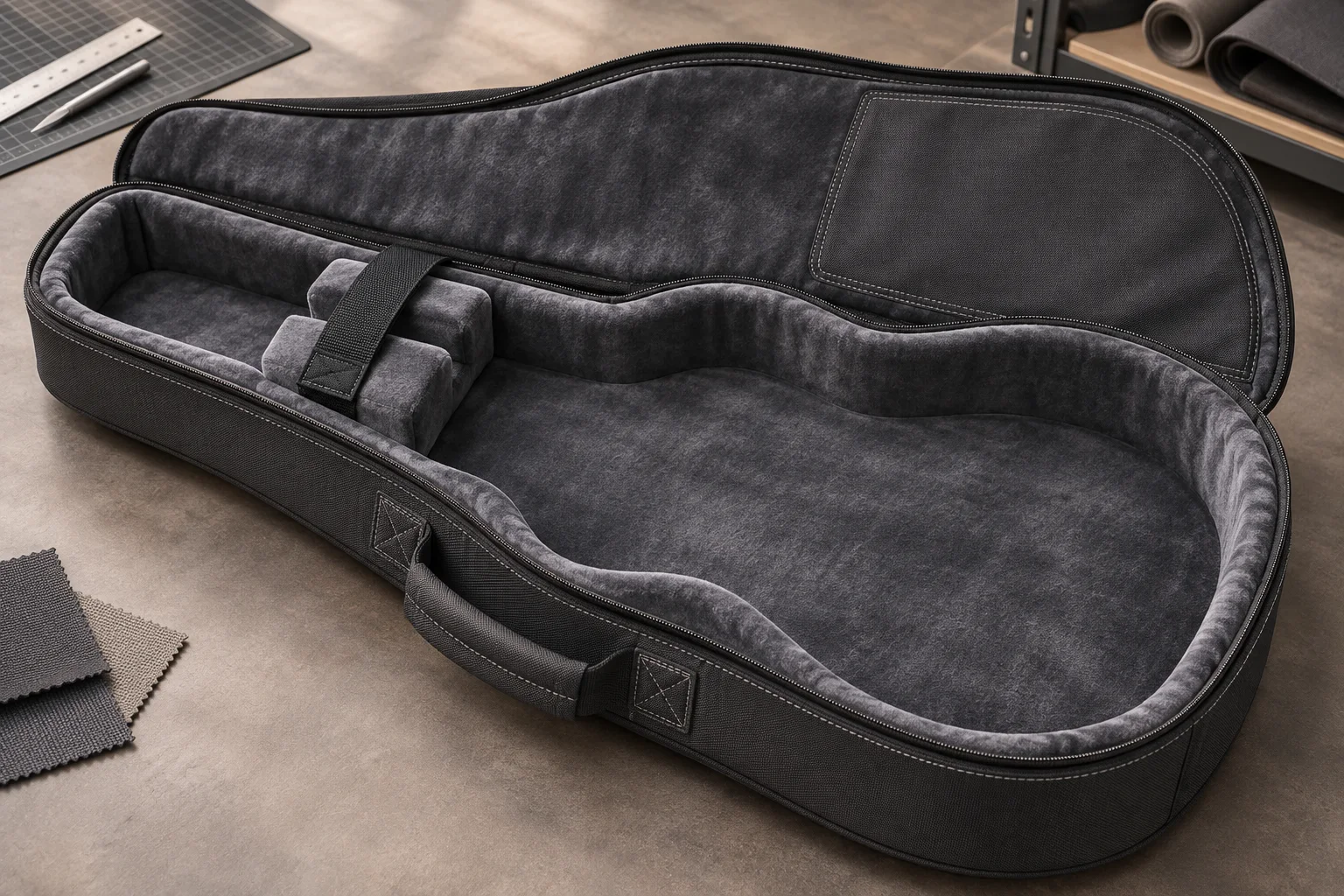
Open guitar bag with a soft lining, neck cradle and retaining strap Enlarge image
Concept illustration · Lining and neck support

Choose a starting point

OEM · Manufacture to your design

Start with an approved design, technical drawings or a reference sample. Share material requirements, dimensions and tolerances, logo artwork and estimated quantity. The team can review how to make the design and which details need to be checked on a sample.

ODM · Develop a case around your instrument

Start with the instrument model, dimensions, photos and how it will be carried. Discuss a case or bag structure, support points, carrying options and accessory storage, then use a prototype to refine the fit.

What can be customized

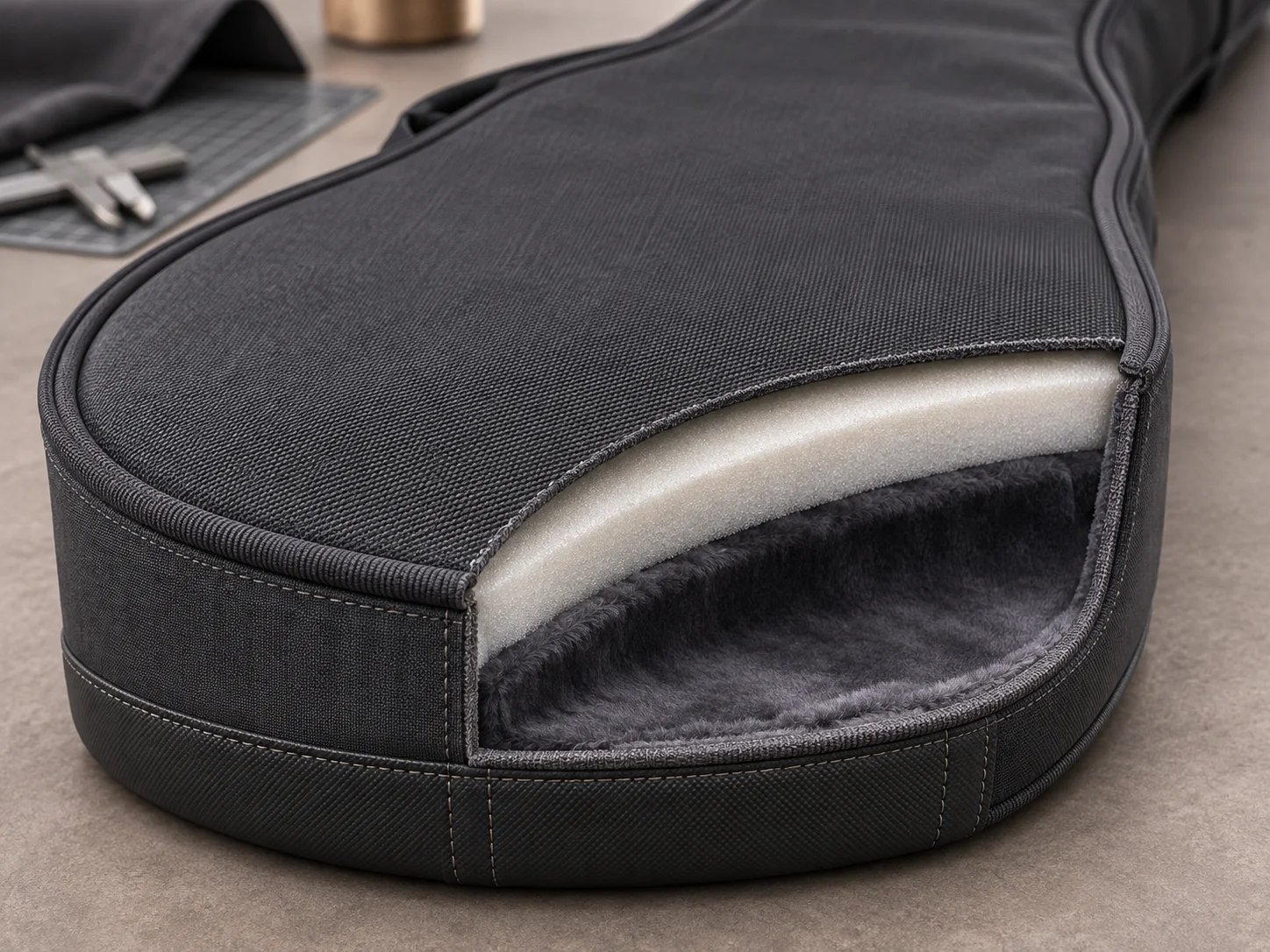
Cutaway showing the outer fabric, foam padding and lining of a guitar bag Enlarge image
Concept illustration · Protective layers

Fit and support

Define the interior around the body outline, depth, neck angle and protruding hardware. Review body and neck support, where padding makes contact and how much clearance the instrument needs.

Materials and protection

Discuss outer materials, lining, padding thickness and reinforcement where the instrument needs extra support. Compare the effects on weight and handling during sampling.

Carrying and storage

Review handles, shoulder straps, closure hardware and pockets. Allow space for the accessories that will travel with the instrument.

Branding and packaging

Share target colors, logo artwork and placement, along with any hangtag, barcode, carton or packing requirements. Review the proposed finish and packaging before production.

From brief to delivery

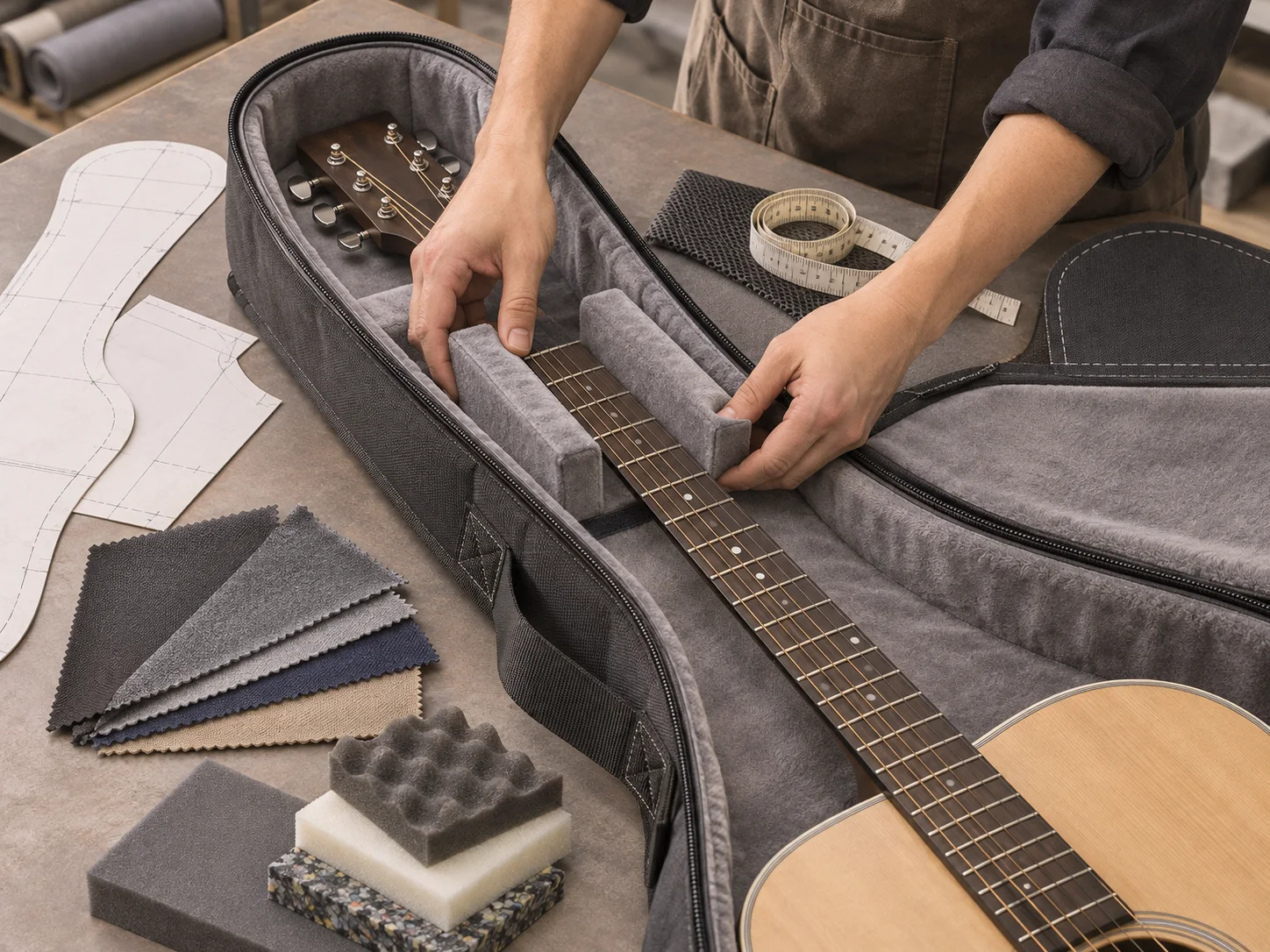
Hands adjusting a neck support in a guitar bag prototype beside paper patterns and material swatches Enlarge image
Concept illustration · Prototype fit check
  1. Submit the brief

    Share the instrument model, drawings or photos, intended use, approximate quantity and target date.

  2. Review feasibility

    Discuss construction, materials and customization scope, then confirm what the sample should validate.

  3. Make the prototype

    Check the prototype with the instrument and note any changes to fit, handling or finish.

  4. Approve the sample

    Review body and neck support, clearances, closures, carrying comfort, logo and packaging. Record the approved version and acceptance criteria.

  5. Confirm the production order

    Confirm order quantities, specifications, quality checks and the production schedule with the team.

  6. Arrange delivery

    Confirm carton markings, packing requirements, shipping destination and delivery arrangements.

Sample approval and production checks

Before production, agree on the sample revision, specifications, and inspection method and quantity. Use these checks to prepare the project acceptance criteria.

Instrument fit

Sample approval
Test each intended instrument model. Check clearance around protruding hardware with the bag closed.
Production inspection
Check the agreed interior dimensions and tolerances against the approved specification.

Support and protection

Sample approval
Check the neck cradle, body contact points and placement of reinforced areas.
Production inspection
Verify the lining, padding and reinforcement against the approved materials and construction.

Closures and carrying

Sample approval
Open and close the bag with the instrument inside. Check the handles, straps and accessory fit.
Production inspection
Check zipper operation, strap attachments, hardware and stitching against the agreed criteria.

Branding and packaging

Sample approval
Approve the color sample, logo size and placement, label artwork and packing layout.
Production inspection
Verify colors, markings, barcodes and units per carton against the approved documents.

Project example

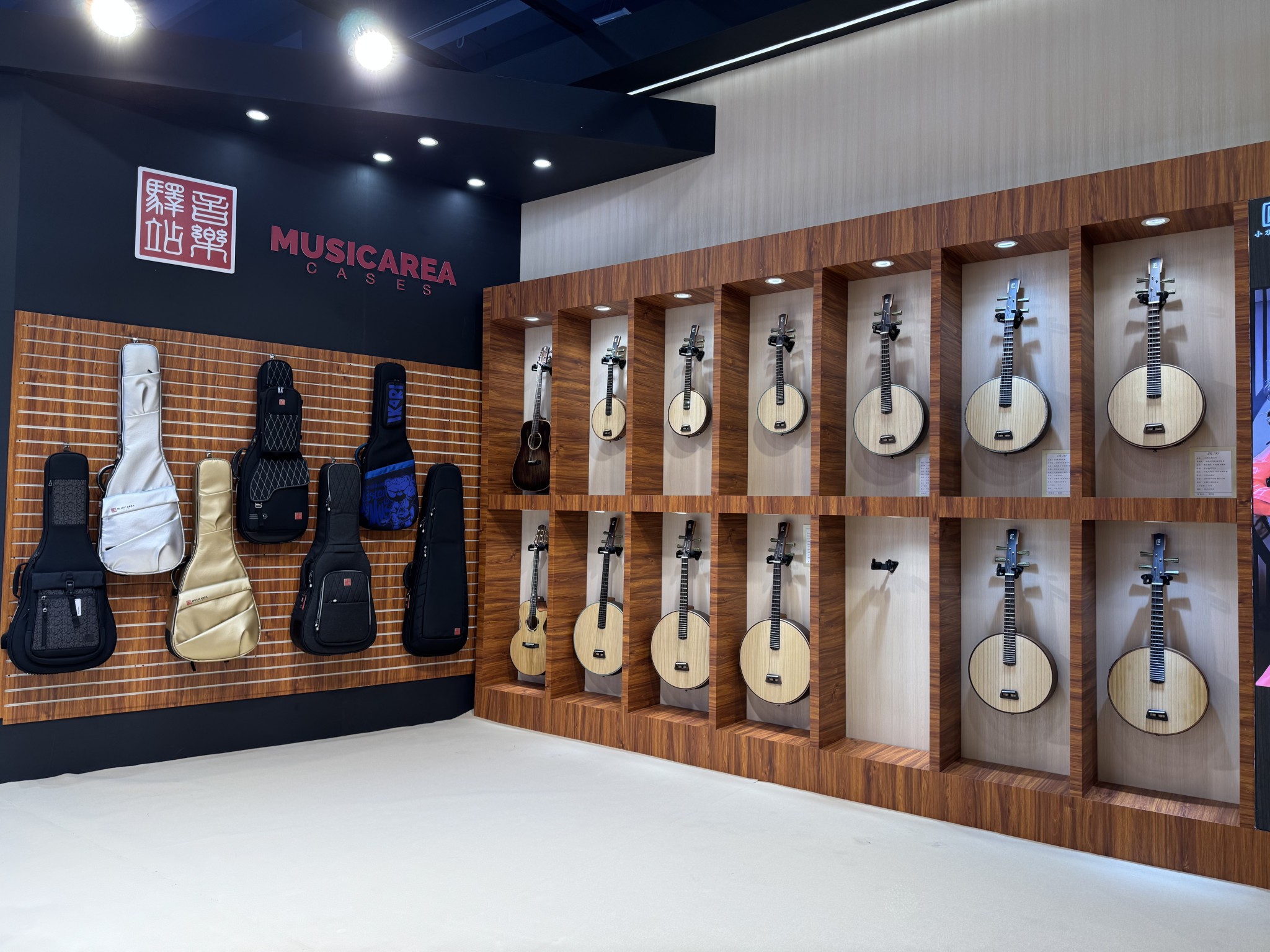
Zhongruan instruments and cases on display at Guangzhou 2025

A Case Built for the Zhongruan

Music Area and Xiaodao Dashu showcased acoustic and silent zhongruan instruments alongside custom-fitted cases at the 2025 Guangzhou exhibition.

Project scope

The exhibition brought together two instrument types and their matching cases. Performers used the cases to carry their instruments for the live demonstrations.

What to check on a similar project

Check each instrument’s body outline, neck angle and support points. If the same case needs to fit multiple models, test each one before approving the sample.

View the Zhongruan Project

What to include in your brief

Instrument and reference materials

Include the model, overall size and body outline, photos from the front and side, and measurements for protruding hardware. List all models if they need to share one case.

Use and design requirements

Describe who will use the case, how they will transport it, the target weight and the accessories it should hold. Attach reference drawings, a series name or preferred branding if available.

Quantity and delivery

List estimated quantities by model or color, the delivery destination, target timing and any special packing requirements.

Purchasing FAQs

Can I start with an existing Music Area series?

Yes. Name the series and specify the parts you want to keep or change. The team can assess the requested changes after reviewing your brief.

What if I only have photos and measurements?

Yes. Share what you have for an initial discussion. The team can then confirm whether it needs more detailed drawings or a physical instrument for fit checks.

How are sample costs, minimum quantities and lead times set?

Share your expected quantity and schedule. The team can confirm project-specific terms after reviewing the structure, materials, branding and packaging requirements.

Can I split an order across models or colors?

List the quantities by model and color and flag any shared materials or packaging. Ask the team to confirm the minimum quantity for each variant and for the order as a whole.

Do changes require another sample?

Share the approved sample revision and proposed changes. Recheck any affected fit, protection or appearance, and confirm whether a revised sample is needed before production.

What should I provide for a repeat order?

Reference the previous order number or approved sample revision. Include the new quantity and delivery date, and identify any changes to materials, branding or packaging.

Start a custom project

Send your instrument model, customization needs, estimated quantity and target delivery date.

Send a Project Brief